


“I Love My Age:” Debbie Allen and Phylicia Rashad Remind Us Black Women Only Get Better
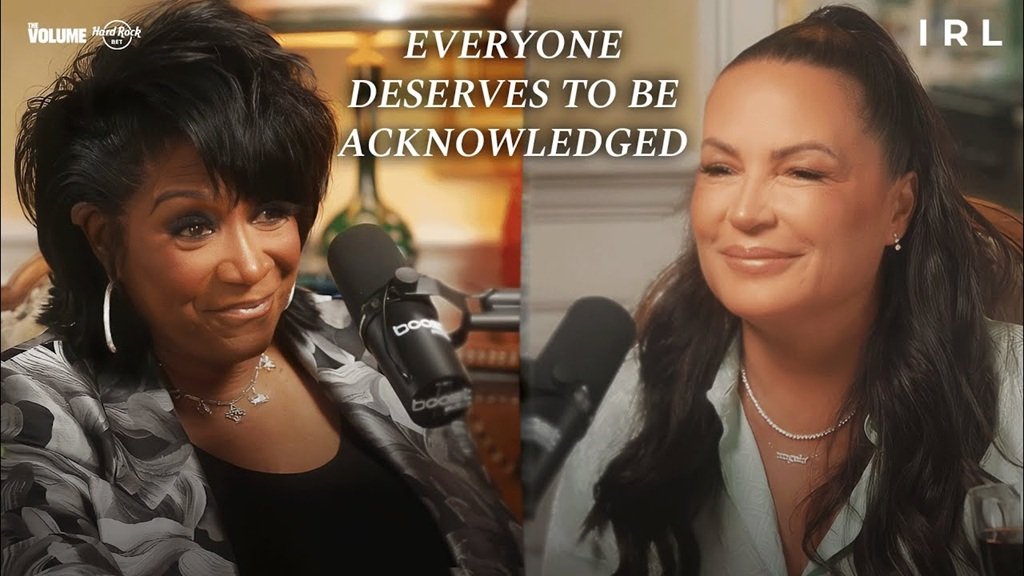
When Debbie Allen and Phylicia Rashad sat down together on IMO with Michelle Obama and Craig Robinson, it felt like being let into the kitchen while the aunties finally tell the real stories.
The sisters rarely do joint interviews, which made this one feel even more precious. They walked through segregated Houston, a semester in Mexico City, Howard University, Hollywood’s boys’ club, and the beauty standards that tried to shrink them. The takeaway is clear: Black women’s brilliance is cultivated, protected, and passed down on purpose.
Their Mother Built the Room They Didn’t Have
Growing up under Jim Crow, the sisters couldn’t count on the world to make space for them, so their mother made it. Black residents of Houston could only use the public library on Tuesdays, so she bought books and filled the shelves at home. Artists teaching at Texas Southern University came by for loud, passionate debates while the kids hid and listened.
When an eight-year-old Debbie asked how she could become a dancer without lessons, her mother answered with action. She found a retired dancer from a Russian company, convinced him to teach ballet in their home, and took the railing off the staircase to turn the living room into a studio. That was her philosophy of “leading from behind:” watch closely, spot the gift early, then build the road.
Her standards were high, too. After Debbie was used to demonstrate at a college audition and then rejected, her mother met her at the airport in tears and said, “Deborah, you failed.” It sounds harsh, but Debbie now sees it as love. Her mother refused to let her become a victim of someone else’s verdict.
The Christmas Eve That Healed Them Both
The most tender moment came when Phylicia admitted the only competition she ever felt: she always believed Debbie was the beautiful one. Debbie recalled how colorism crept into their childhood, including an uncle telling chocolate-milk-loving Phylicia to drink all the white milk she could.
The healing came years later in a shared apartment on 84th Street. Broke and spending their first Christmas away from family, they’d each secretly bought the other earrings from the jewelry store around the corner. Over a smoked turkey their father sent, Phylicia confessed she’d always wanted to be beautiful like Debbie. Debbie’s reply: “But you’re the beautiful one.” Cue the tears, on set and at home.
Michelle connected it to the girls coming up now, insisting that young girls need to feel from the men in their lives that the sun and moon rise and set on them. Somebody stitch that on a pillow.
A Semester in Mexico That Changed Everything
Tired of materialism and segregation’s daily indignities, their mother once moved the kids to Mexico City with no Spanish and no contacts. Teenage Phylicia’s secret hunger strike lasted exactly until San Antonio.
But the trip was transformative. The sisters ordered hamburgers at a Woolworths lunch counter for the first time, something they couldn’t do back home. Debbie trained with the national ballet. And plot twist: Phylicia’s Spanish later helped her land The Cosby Show, since producers wanted Clair Huxtable to be bilingual.
Howard, Hot Sauce, and A Different World
Debbie was rejected elsewhere and now calls landing at Howard a metamorphosis, like becoming a butterfly. Phylicia stressed that scholarship is the heart of the HBCU experience, powered by brilliant professors who often couldn’t get hired at white institutions.
That conviction reshaped A Different World. After visiting the set, Phylicia saw a show missing both academia and cultural identity. Debbie stepped in, fought for culturally relevant storylines, and put the hot sauce back on the table. One of her first moves? Taking off everyone’s nails and weaves and asking, “Who are you really?” Now she’s steering the Netflix reboot and hoping a second season lets them get even bolder.
She Called “Action” Anyway
Debbie’s directing origin story deserves its own biopic. On Fame, when she tried explaining how to shoot her choreography, the pilot’s director patted her on the butt and told her not to worry about the cameras. By the end of the day, she was calling action and cut herself. No women’s group backing her up. Just, as she put it, her mother’s child and her sister’s sister.
Untouched, Unplugged, Unbothered
On aging, they had the room in stitches and in church. Early in Hollywood, a manager suggested Debbie get her lips reduced. Her response: why would she want them smaller when “they look like my dad’s lips”?
Debbie says she likes the little lines in her face, and her husband has declared any touching of it grounds for divorce. Their routine is refreshingly simple: quiet time, movement, mindful eating, and cocoa butter. In an industry obsessed with freezing time, hearing these icons say “I love my age” is downright radical.
It’s Never Too Late to Kickball Change
A listener named Linda, in her mid-40s, asked about leaving a stable career for coding. The table’s first reaction: girl, you’re a baby. Their advice? Change is the nature of the universe, so wanting to “kickball change” into something new is exciting. Don’t fear being the oldest one in the room. Their mother was taking classics courses in her late 60s.
They also urged Linda not to give up on “the creative power of your own thought.” If you built the career you have, you can build the next one.
The Real Inheritance
What these sisters model is a love that clears space. A mother who turned a staircase into a dance studio. Sisters who traded earrings and insecurities and chose each other. Women who walked into rooms not built for them and redecorated. That’s legacy, and it’s ours to keep passing down.









Leave a Reply